Islands of Embellishment: Transforming Traditions in Philippine Textiles
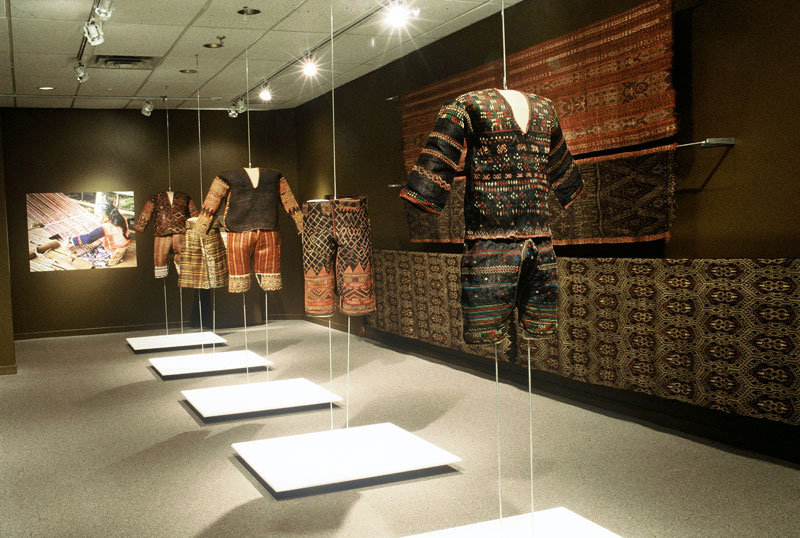
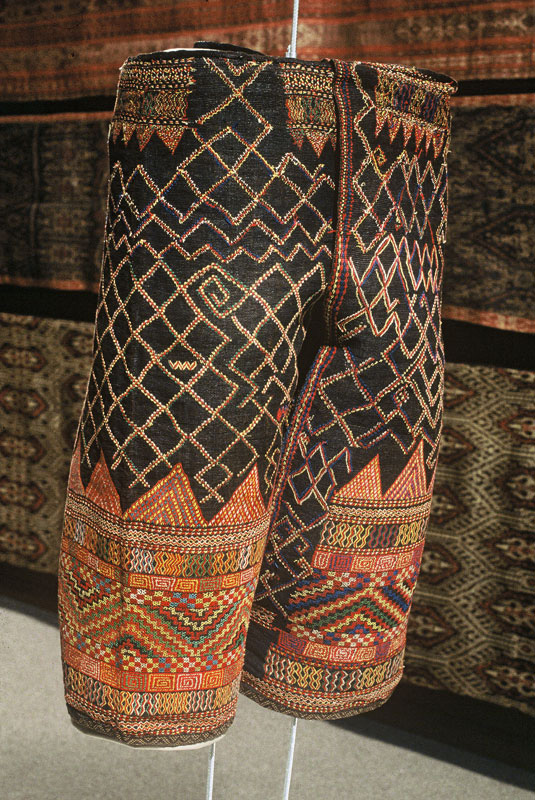
Textiles and clothing reveal stories of a culture’s identity, economics and social change. Islands of Embellishment: Transforming Traditions in Philippine Textiles is the story of how Philippine artisans and designers are building on traditional textile practices to enter the global economy on their own terms. The contemporary designers and artisans featured in this 2003 exhibition create broad appeal and demand for culturally rooted clothing by combining non-Philippine colours and patterns with regional fabrics and styles.
ADDITIONAL INFORMATION
Textiles and clothing reveal stories of a culture’s identity, economics and social change. Islands of Embellishment: Transforming Traditions in Philippine Textiles is the story of how Philippine artisans and designers are building on traditional textile practices to enter the global economy on their own terms. The contemporary designers and artisans featured in Islands of Embellishment create broad appeal and demand for culturally rooted clothing by combining non-Philippine colours and patterns with regional fabrics and styles.
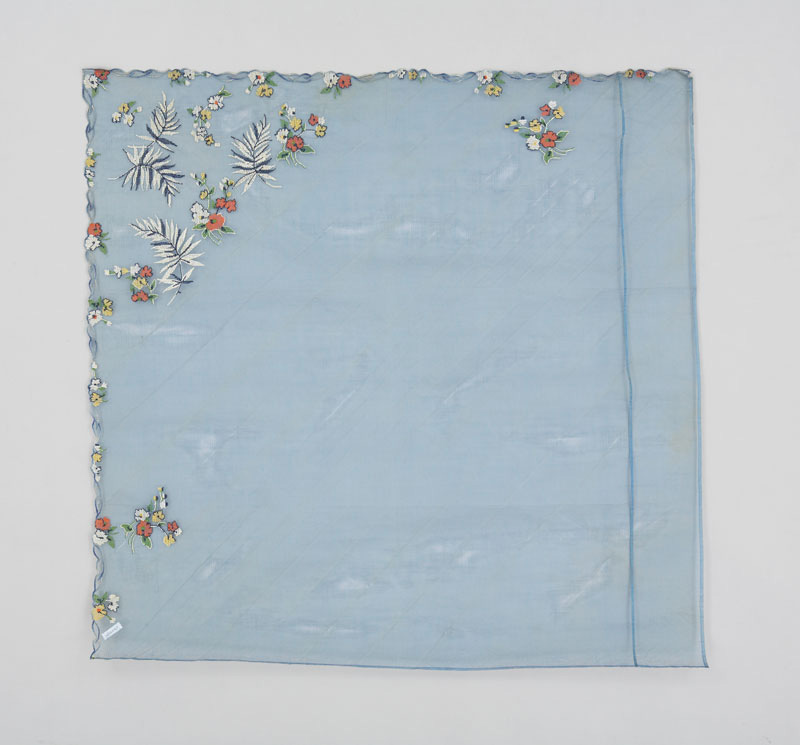
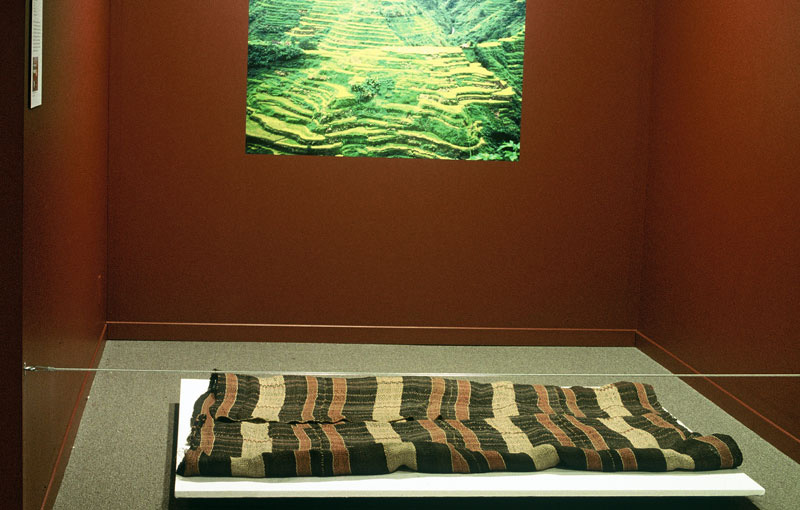
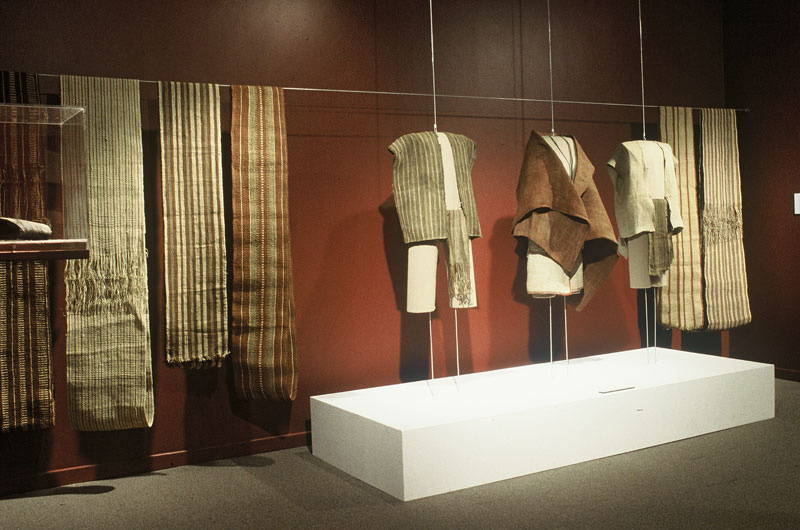
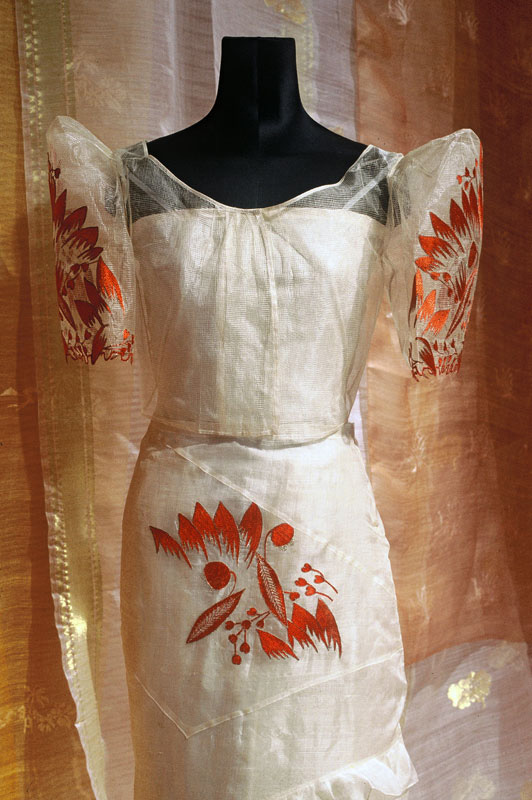
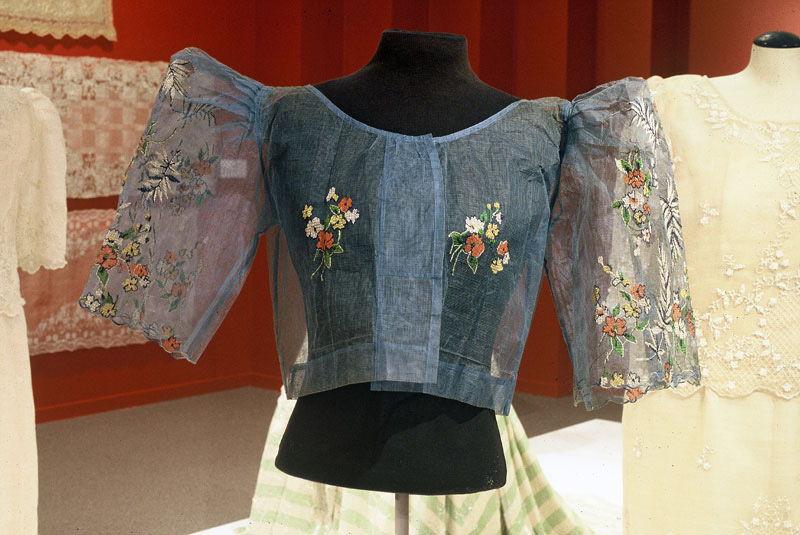
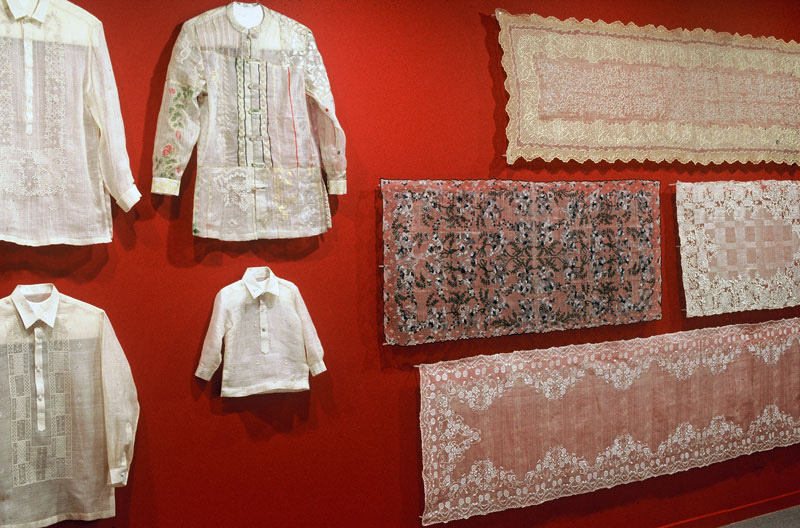
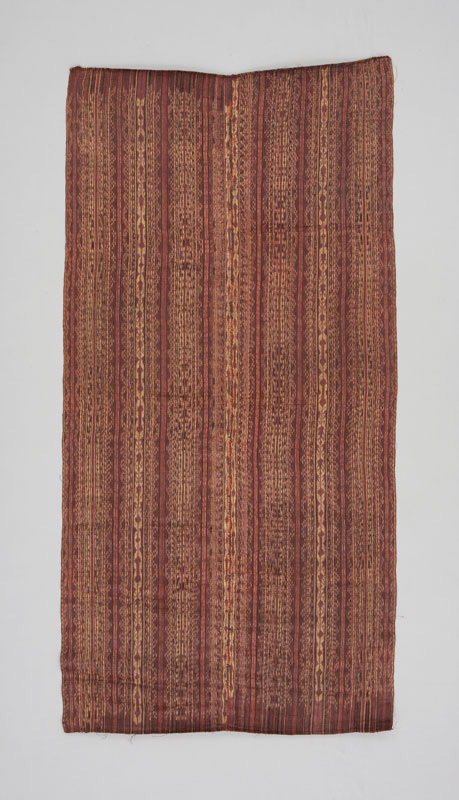
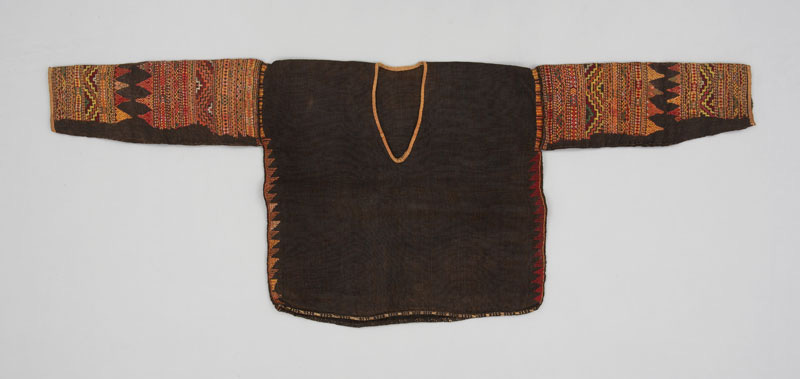
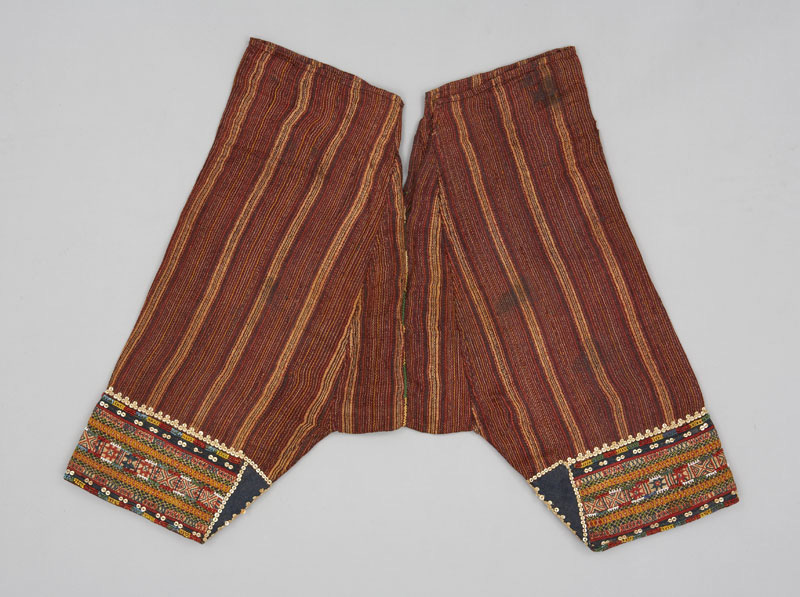
A distinctive element of traditional Philippine clothing is produced using bast or woven plant fibres, including piña (pineapple) in the central Philippines, abaca (banana) in the south, and mulberry bark in the north. This exhibition is an opportunity for visitors to see textiles produced in all three Philippine island regions, to learn about their diverse traditions and, to discover how this Asian nation uses its unique cultural products as a source of economic development in the 21st century.
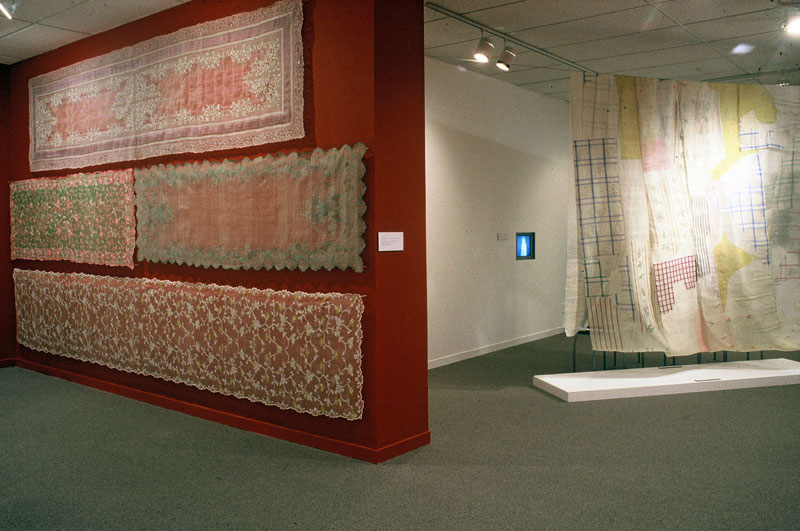
Islands of Embellishment, curated by Lynne Milgram and designed by 2002 Prix Saidye Bronfman Award recipient, Kai Chan, includes such highlights as:
Haute couture clothing designed by Patis Tesoro. In the aftermath of the 1986 overthrow of President Ferdinand Marcos, Tesoro found her true calling as a social activist, entrepreneur and leader in development economics. Building on the quality of Philippine natural materials, Tesoro set out to revive piña clothing production for a new period of nationhood.
Textiles from Heritage Arts and Crafts, one of the most successful weaving businesses in Kalibo, central Philippines. Heritage Arts and Crafts founded a successful training program (funded by CIDA, Canadian International Development Agency) for weavers to develop new patterns and techniques.
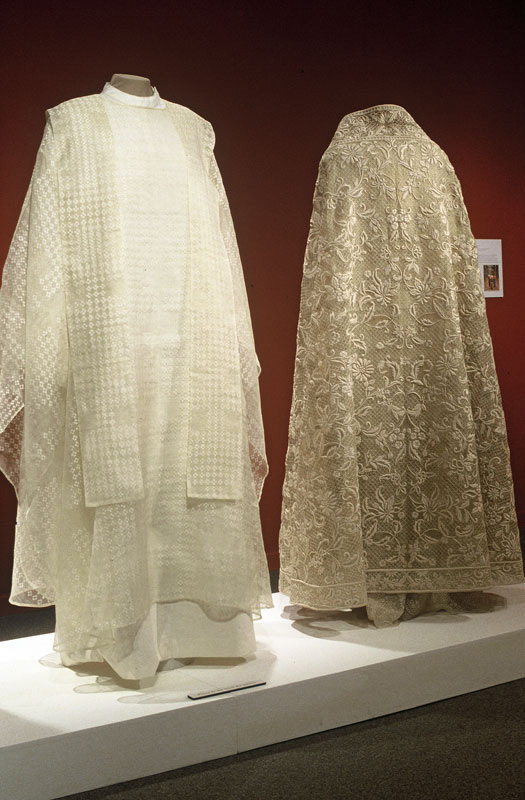
Historical garments from the Textile Museum’s collection: piña and abaca garments loaned from members of the local Philippine-Canadian community, as well as a collection of liturgical vestments designed by Benedictine monk and former fashion designer, Dom Martin de Jesus H. Gomez, OSB, of the Monastery of the Transfiguration in Bukidnon, southern Philippines.
Become a Member of the Textile Museum Today
And enjoy unlimited free entry to all the Textile Museum's exhibitions, plus much more.
Join Today